When to Call Experts: Top Signs Your Chimney Needs Cleaning: Safeguard Your Home Against Fire Dangers
Chimney maintenance is often overlooked, but it holds an essential place in residential safety. Homeowners should be aware of specific warning signs that indicate a need for professional cleaning. Bad odors, thick smoke, and creosote deposits represent just a handful of telltale signs. Disregarding these indicators can result in significant hazards. Recognizing these risks and knowing the right time to respond can safeguard both homes and residents. The content ahead will delve deeper into these critical considerations.
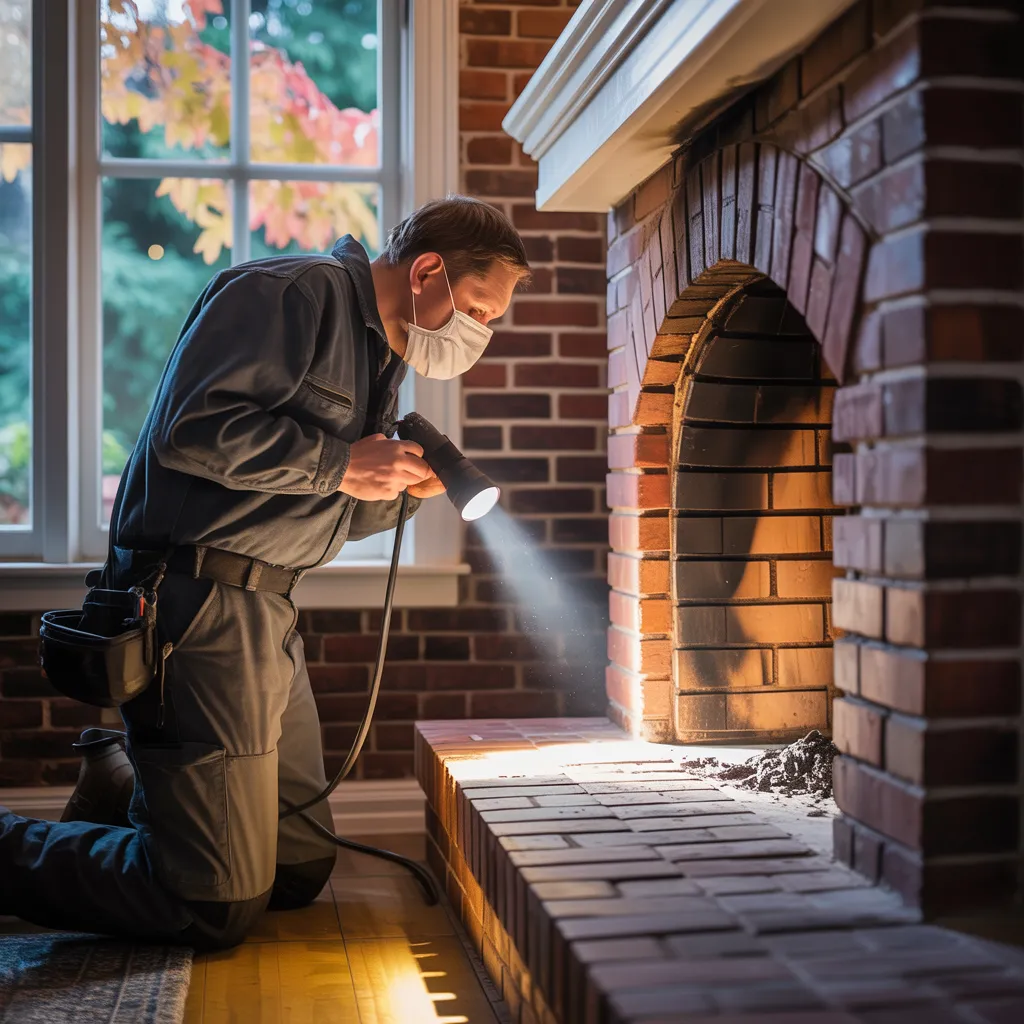
Understanding the Warning Signs of a Neglected Chimney
How can homeowners identify the signs of chimney neglect? Homeowners need to stay alert for a number of critical warning signs. One of the most notable warning signs is creosote accumulation, which often manifests as a black, sticky residue along the flue walls. This buildup develops over time with consistent use and requires prompt attention. Another sign is a strong, unpleasant odor coming from the chimney, a sign that debris or nesting animals could be interfering with proper ventilation. Another red flag is excessive smoke escaping into the living space during a fire, a clear indication of inadequate airflow through the chimney. Cracks or deterioration in the chimney structure itself, such as loose bricks or damaged mortar, can also indicate neglect. In addition, when the chimney cap is absent or in poor condition, it allows moisture and debris to enter, gradually undermining the chimney's structural integrity. Being aware of these indicators allows homeowners to address problems promptly before they escalate.
The Dangers of Neglecting Chimney Maintenance
Neglecting chimney maintenance poses significant risks, primarily through increased fire hazards. Built-up soot and combustible debris may catch fire, leading to dangerous chimney fires that threaten entire homes. Furthermore, physical deterioration can develop as degrading materials erode the chimney's structural soundness over the years.
Growing Fire Risks
With time, the gradual buildup of soot and creosote in a chimney can turn a warm and inviting fireplace into a serious fire hazard. Creosote, a residue produced by burning wood, is intensely combustible and susceptible to catching fire, leading to chimney fires that may threaten the safety of the entire property. Failing to maintain your chimney regularly increases the risk of debris-related blockages, which can cause smoke and gases to back up into living spaces, posing severe risks to your health. Homeowners often underestimate the importance of keeping their chimneys clean, but even modest deposits can grow into major safety concerns. A detailed examination and cleaning performed by experts can minimize these hazards, ensuring that the fireplace remains a dependable and safe heating element rather than an imminent danger to your home and family.
Structural Damage Potential
Ignoring scheduled chimney maintenance can lead to severe structural damage in a home. With time, creosote accumulation and obstructions can drive smoke and gases to accumulate, causing heightened pressure throughout the chimney. This pressure can split or undermine the chimney construction, possibly leading to significant repair costs. Furthermore, moisture accumulation from rain and snow can deteriorate brick and mortar, progressively compromising the chimney's integrity. A unmaintained chimney may also enable toxic gases, such as carbon monoxide, to leak into living areas, posing health risks. Regular inspections and cleanings allow for early detection of issues, guaranteeing the chimney stays structurally secure and safe. Homeowners must review article prioritize chimney maintenance to safeguard their home and guard against widespread deterioration.
How to Avoid Chimney Problems
Routine maintenance can significantly lower the risk of chimney problems. Homeowners should prioritize regular inspections to identify potential problems early, like creosote deposits or damage to the structure. Maintaining a clean perimeter free of debris and vegetation can avoid obstructions and ensure adequate airflow. Installing a chimney cap can further protect against water intrusion and animal nesting, which can lead to additional complications.
It is equally important to use seasoned hardwood for burning, as this type of wood produces less creosote compared to less seasoned or softer wood types. Residents should never burn chemically treated wood or household refuse, as these materials may emit toxic substances and raise the risk of chimney blockages.
Ultimately, maintaining a suitable flue size for the fireplace or stove guarantees optimal combustion and decreases the chance of smoke reversing into the home. Through implementing these preventive measures, homeowners can significantly reduce the risk of issues related to the chimney.
How Often Should You Schedule Chimney Cleaning?
How regularly should homeowners plan chimney cleaning to guarantee safety and efficiency? Experts recommend that homeowners have their chimneys inspected and cleaned at least once a year, especially if the chimney sees frequent use. This once-a-year servicing works to inhibit the development of creosote, an extremely combustible material that presents a serious fire risk.
For homeowners who rely on their fireplaces regularly, particularly during the colder months, additional cleanings may be needed. Property owners should also evaluate factors including the type of fuel used and the age of the chimney. Should a chimney be dedicated primarily to wood-burning, regular inspections may be especially wise because of the heightened risk of creosote buildup.
Furthermore, homeowners should monitor evidence of buildup or damage, which may necessitate more frequent cleanings. At the end of the day, routine upkeep guarantees a secure and effective fireplace, reducing fire risks and enhancing overall home safety.
What to Expect During a Chimney Cleaning?
In the course of a professional chimney cleaning, technicians carefully evaluate and resolve any buildup within the chimney system. The procedure typically begins with a thorough visual assessment to locate evidence of creosote buildup, obstructions, or structural issues. Employing industry-grade tools, the technician proceeds to eliminate soot, creosote deposits, and accumulated debris, promoting unrestricted airflow while lowering fire-related risks.
The cleaning process typically involves brushes, vacuum systems, and specialized tools used to efficiently clear away deposits and buildup. Professionals will often inspect the flue and chimney cap to ensure proper operation and structural integrity. Upon completion of the cleaning, professionals frequently deliver suggestions for upkeep or corrective repairs when problems are detected.
Ultimately, a post-cleaning inspection ensures that the chimney is fit for use, and the technician may provide guidance on the frequency of future cleaning sessions. This detailed approach ensures the chimney performs safely and effectively, safeguarding the home against possible fire hazards.
Hiring Experienced Chimney Cleaning Professionals
To locate reputable professionals, homeowners can gather recommendations from local hardware stores, friends, or family members. Online reviews and ratings on sites like Google or Yelp can offer valuable information about client experiences. One should request insurance documentation and references before finalizing a choice.
In addition, obtaining multiple quotes can help homeowners gauge appropriate pricing and assess the competence of multiple companies. When all is said and done, hiring professional chimney cleaners not only guarantees thorough cleaning but also safeguards against potential fire hazards, enhancing the total safety of the property.

Commonly Asked Questions
Is It Possible to Clean My Chimney on My Own?
Cleaning a chimney independently is possible, but it requires adequate knowledge, suitable equipment, and essential safety precautions. A large number of homeowners choose professional cleaning services to ensure comprehensive cleaning and prevent possible risks linked to inadequate maintenance.
How Much Will Professional Chimney Cleaning Set You Back?
Professional chimney cleaning typically costs between $100 and $300, depending on factors like location, chimney condition, and accessibility. Homeowners are encouraged to account for these fees when budgeting for routine upkeep and guaranteeing the safe and efficient operation of their chimney.
What Tools Are Needed for Chimney Cleaning?
Chimney cleaning requires specific tools including a dedicated chimney brush, rod extensions, a debris vacuum, a drop cloth to protect surroundings, and personal safety gear including goggles and gloves to guarantee a safe and effective cleaning process.
Are There Particular Weather Conditions Required for Chimney Cleaning?
Chimney maintenance is best performed in dry, mild weather. Rain or snow can complicate the process, while harsh temperatures can reduce the efficiency of cleaning equipment. Favorable weather with clear skies provides the best environment for thorough cleaning and overall safety.
How Do I Recognize a Qualified Chimney Specialist?
To locate a competent chimney professional, homeowners should search for certifications from reputable organizations, examine online ratings, ask for references, validate insurance coverage, and guarantee the professional has substantial experience in chimney upkeep and cleaning.